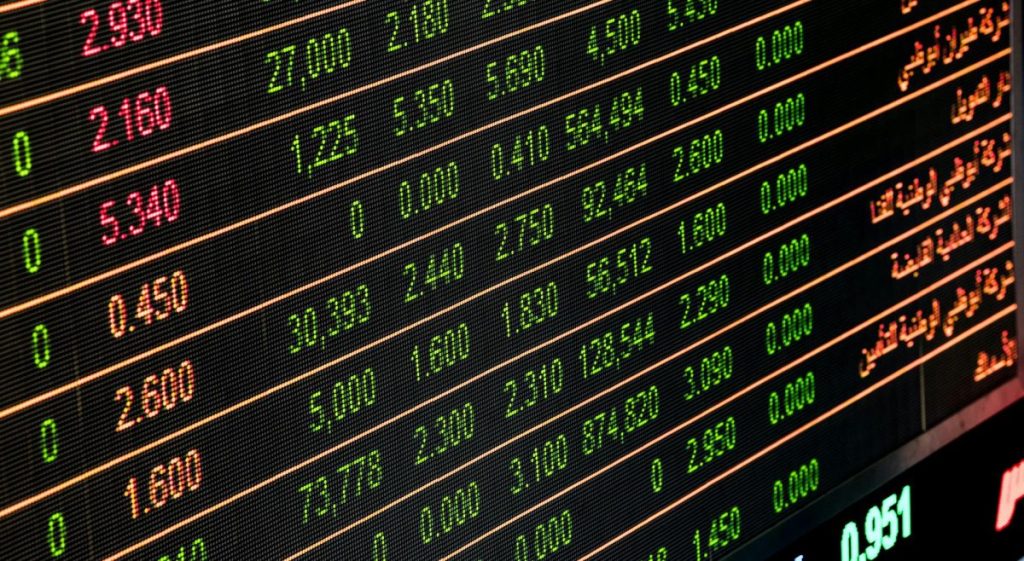
- Mercado Pago successfully operated within Argentina’s challenging financial landscape, effectively managing economic fluctuations and regulatory changes.
- The implementation of the “cepo cambiario” and multiple exchange rates significantly impacted Mercado Pago’s operations, influencing costs and transaction processes.
- To maintain profitability and efficiency, Mercado Pago employed strategies like currency hedging, dynamic pricing, and operational optimizations amidst economic volatility.
As any fintech company, MercadoPago operates within the economies and regulations of the countries where it offers its services. In particular, its ability to thrive in Argentina over the years indicates its successful integration and management of the various economic challenges it faced. For this reason, it is essential to understand the most significant economic issues and developments that have shaped Argentina over the past two decades.
What better way to start the research than addressing the proper “elephant in the room”: foreign exchange controls. Since their first ever implementation in 1985, capital controls assumed more and more importance as a key factor to deal with the numerous crises that the country faced (like the sovereign debt defaults in 2001, 2014 and 2020). In this sense, they were the most important initiative in the aftermath of the 2001 economic crisis.
In Argentina, the foreign exchange currency controls are known as the “cepo cambiario” (literally “exchange trap”) and consist of regulations designed to manage and restrict the buying and selling of foreign currencies, particularly US dollars. These measures aim to stabilize the Argentine peso and prevent capital flight during crises, when large-scale exodus of capital or financial assets occur due to political or economic instability. In practice, these controls include limiting the amount of US dollars individuals can purchase and implementing a multiple exchange rate system.
This exchange system consists of an official ARS-USD rate and a multitude of other rates (the actual number fluctuates itself). The most popular one, called “dollar blue”, is a black-market rate and historically it has been significantly higher than the official rate, in a measure of up to 100% more. In reflection, the internal prices for most goods were set accordingly. Additionally, Argentina has implemented various other exchange rates like the “solidarity dollar,” which adds taxes to the official rate for personal savings and small transactions, and the “tourist dollar,” which includes higher taxes for foreign purchases made by residents. Other financial mechanisms, like the “MEP dollar” and “cash with liquidation dollar” (CCL) allow legal currency trading through securities. Special rates such as the “soy dollar” offer preferential terms to exporters in certain sectors to boost foreign currency inflows. This complex system aims to manage economic challenges but more than often led to distortions. The context of uncertainty impacted every aspect of the country, from buying groceries to little businesses being unable to get debit, to less and less foreign investments, all the way to qualified Argentinians to leave the country.
Additional taxes, such as the 30% “Pais tax” and a 35% advance income tax, are levied on foreign currency transactions. Lastly, strict measures regulate international payments, mandate the repatriation of export earnings at the official rate, and monitor credit card usage abroad, often imposing limits on international spending.
As it seems, managing a Fintech company in this context is both a challenge and a big opportunity: because of uncertainty, people in Argentina are more incline to test new products and alternatives while, on the other hand, complying with regulations and managing financial risk can become a huge issue. Of the elements listed above, the most important measure affecting Mercado Pago’s business has been the multiple exchange rate system. The fluctuating exchange rates directly affected the company’s operations, impacting the costs and the efficiency of international transactions: as a reference, the value of ARS, opposed to USD, decreased from around 3 ARS/USD in 2003 to more than 1000/1 in 2023 (dollar blue). In practice, the discrepancies between rates led to increased costs when converting currencies for cross-border payments, negatively affecting the company’s profitability and pricing strategies.
Furthermore, restrictions on accessing foreign currency at the official rate have forced businesses like Mercado Pago to obtain foreign currency through higher parallel market rates, thereby increasing operational expenses. To overcome these challenges, Mercado Pago has implemented strategic financial management practices. These strategies include adjusting pricing models to account for currency fluctuations, employing hedging techniques to mitigate currency risk, and optimizing operational efficiencies to sustain profitability in a volatile economic environment.
Sources:
- Del Carmen Caparros M. (2023). Foreign Exchange Controls in Argentina. [online] WSC Legal. Available at: https://wsclegal.com/foreign-exchange-controls-in-argentina/. [Accessed 11 Jun. 2024].
- http://www.privacyshield.gov. Argentina – Foreign Exchange Controls | Privacy Shield. [online] Available at: https://www.privacyshield.gov/ps/article?id=Argentina-foreign-exchange-controls. [Accessed 11 Jun. 2024].
- Rua, M. and Zeolla, N. (2018). Desregulación cambiaria, fuga de capitales y deuda: la experiencia argentina reciente. Problemas del Desarrollo. Revista Latinoamericana de Economía, 49(194). doi:https://doi.org/10.22201/iiec.20078951e.2018.194.61588. [Accessed 11 Jun. 2024].
- Pesce, M. and Feldman, G. Monetary policy challenges over two decades: a view from Argentina. [online] Available at: https://www.bis.org/publ/bppdf/bispap143_c.pdf. [Accessed 11 Jun. 2024].Fitchratings.com. (2023). Available at: https://www.fitchratings.com/research/corporate-finance/overview-of-argentine-capital-controls-history-recent-impact-on-corporates-06-04-2021. [Accessed 11 Jun. 2024].
- Fitchratings.com. (2023). Available at: https://www.fitchratings.com/research/corporate-finance/overview-of-argentine-capital-controls-history-recent-impact-on-corporates-06-04-2021. [Accessed 11 Jun. 2024].
- MercadoLibre. (2022). Annual Report. [online] Available at: https://investor.mercadolibre.com. [Accessed 5 Dec. 2024].
- International Monetary Fund. (2023). Argentina: 2023 Article IV Consultation—Press Release; Staff Report; and Statement by the Executive Director for Argentina. [online] Available at: https://www.imf.org. [Accessed 5 Dec. 2024].
- The Economist. (2023). Argentina’s Currency Crisis: How Businesses are Coping. [online] Available at: https://www.economist.com. [Accessed 5 Dec. 2024].
- Image courtesy of Pixabay (Pexels)


 The Bear Street Journal.
Leave a comment